The job market can feel confusing when you are trying to prepare for the future. New job titles appear, technology changes the way people work, and employers often seem to want a combination of technical knowledge, experience, and personal qualities. A student may wonder which skill will help them get their first job. A working professional may worry that their existing skills will become less valuable. Someone changing careers may feel that they need to learn everything again. In reality, preparing for today’s job market is not about collecting every possible skill. It is about developing a useful combination of abilities that can help you perform well and adapt when the world of work changes.
Imagine a young professional named Lina who starts looking for a better job after working for several years. She has experience in her current role and believes she is ready for more responsibility. But when she begins reading job descriptions, she notices something interesting. Employers are not looking for only one type of ability. Many roles ask for technical knowledge, communication skills, problem-solving, teamwork, and confidence with digital tools.
Lina initially feels discouraged. She wonders how one person can be expected to develop so many different skills. Then she looks more carefully and realizes that she does not need to become an expert in everything. She already has several useful abilities. What she needs is to understand which skills are important for her career direction and how different skills can work together.
This is an important way to think about career development. A single skill can be useful, but a strong combination of skills can create more opportunities. Someone who understands technology and communicates clearly may have different options from someone with only technical knowledge. A creative professional who understands data can make stronger decisions. A person with strong industry knowledge and good leadership skills may be ready for greater responsibility.
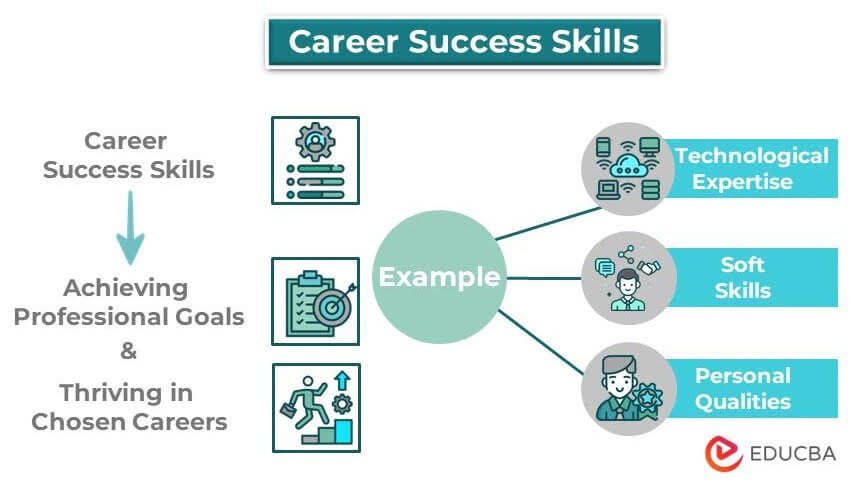
The best skills for today’s job market are therefore not always limited to one industry. Some skills help people work with technology. Others help them work with information, solve problems, and communicate with people. The ability to keep learning connects all of them.
Build Strong Digital and Technology Skills
Technology is now part of daily work in almost every industry. People use digital systems to communicate, organize information, analyze data, manage projects, and serve customers. This makes digital confidence one of the most useful foundations for career growth.
Digital confidence does not mean knowing every application or becoming a software developer. It means being comfortable using modern tools and having the ability to learn unfamiliar technology.
Lina notices this in her own work. She is already comfortable using basic office software, but she avoids more advanced features because she has never needed them. When she begins exploring new job opportunities, she realizes that many employers expect workers to be more than basic users.
She starts improving one area at a time. She learns how to organize information more effectively, use data to create useful reports, and understand how digital tools can improve daily work.
Data skills are particularly useful because many organizations now depend on information when making decisions. A person does not need to become a data scientist to benefit from understanding basic data analysis. Knowing how to organize data, recognize patterns, and explain what information means can be valuable in business, marketing, healthcare, education, finance, and many other fields.
Artificial intelligence is another area that is changing the workplace. Many professionals are beginning to use AI tools to support writing, research, analysis, coding, customer service, and other tasks. Understanding how to use these tools effectively can improve productivity.
However, AI skills should include more than entering a question and accepting the answer. Professionals need to know how to provide useful instructions, check information, recognize limitations, and use judgment.
Programming can also create valuable opportunities for people who enjoy technology and problem-solving. Software development, web development, automation, and other technical careers require deeper knowledge, but basic programming skills can be useful even outside traditional technology jobs.
Cybersecurity awareness is becoming increasingly important as more work happens online. Understanding safe digital practices, common online threats, and the importance of protecting information is valuable across many professions.
The most useful approach is to choose digital skills that support your career goals. A teacher, marketer, designer, engineer, and business professional may all benefit from technology, but they will not necessarily need the same tools.
Develop Human Skills That Technology Cannot Replace Easily
Technology can complete many tasks quickly, but workplaces still depend heavily on people. Organizations need employees who can understand other people, communicate clearly, make thoughtful decisions, and work through complex situations.
Communication is one of the most important skills in any career. A person may have excellent knowledge but struggle if they cannot explain their ideas. Communication includes speaking, writing, listening, and understanding the needs of different audiences.
Lina discovers that communication becomes more important as she seeks better opportunities. In her previous role, she mainly worked with a small team. The jobs she now wants may require her to present ideas, speak with clients, and work with people from different departments.
She begins practicing how to explain complex ideas in simple language.
This skill can be useful in almost every profession. A software developer may need to explain a technical problem to a non-technical manager. A healthcare professional may need to communicate clearly with patients. A business professional may need to explain a proposal to a client.
Problem-solving is another important skill. Employers need people who can do more than follow instructions. They need people who can understand a problem, identify possible solutions, and decide what action should be taken.
Strong problem-solving often requires critical thinking. This means examining information carefully rather than immediately accepting the first answer. People who can ask useful questions, identify important details, and compare different options can often make better decisions.
Teamwork is also essential because modern work frequently involves people with different skills and responsibilities. The ability to listen, share information, respect different perspectives, and contribute to a common goal can improve both individual and team performance.
Adaptability has become increasingly important. Technology, working methods, and customer needs can change quickly. A person who is willing to learn and adjust can often manage these changes more effectively.
Creativity is another valuable ability. It is not limited to artists or designers. Creativity can involve finding new solutions, improving an old process, or looking at a problem from a different perspective.
Leadership is also useful at different stages of a career. Leadership does not always mean managing a large team. It can mean taking responsibility, helping others, communicating a clear direction, and moving work forward.
Learn How to Solve Problems and Work With Information
The modern job market places increasing value on people who can understand information and use it to make better decisions. This requires a combination of analytical thinking, research ability, and practical judgment.
Lina begins noticing that many business decisions in her field are based on reports and data. At first, the amount of information feels overwhelming. She learns that understanding everything is not the goal. The important skill is knowing what information matters and how to use it.
Critical thinking helps professionals examine claims and make decisions based on evidence. This is especially important in a world where people receive large amounts of information from digital platforms, reports, automated systems, and AI tools.
Research skills can help you find relevant information, compare different sources, understand complex topics, and identify important details.
These abilities are useful for more than academic work. A business professional may research a market before making a decision. A designer may study user needs. A manager may need to understand the reasons behind a problem before changing a process.
Project management is another valuable skill because many jobs involve working toward specific goals within a limited time. Even if your job title is not project manager, you may need to organize tasks, manage deadlines, communicate with others, and handle unexpected problems.
Time management supports this process. The ability to decide what is important and complete work without becoming distracted can improve professional performance.
However, good time management is not simply about working faster. It is about working with purpose. Sometimes the most valuable task is not the easiest or most urgent-looking one.
Decision-making is another important skill. Professionals often need to make choices without having perfect information. Learning how to consider evidence, understand possible risks, and take responsible action can help people handle complex work situations.
These skills often develop through experience. A course can teach useful concepts, but real projects teach you how to apply them when circumstances are not simple.
Create a Skill Combination That Supports Long-Term Career Growth
The most useful career strategy is often to combine several skills instead of depending completely on one ability. Lina begins to understand this as she develops her own learning plan.
She does not try to learn every technology trend or every business skill. Instead, she looks at the type of work she wants to do. She identifies the most important areas and begins connecting her existing strengths with new skills.
She already has industry knowledge. She improves her data skills, becomes more confident with modern digital tools, and develops her ability to communicate with different audiences.
The combination makes her professional profile stronger.
The same approach can work in many careers. A technically skilled person can develop communication. A creative professional can learn basic business and data skills. Someone with strong people skills can gain digital knowledge.
The goal is to create a combination that makes sense for the type of opportunities you want.
Practical experience is essential. Learning should not remain only in books, courses, or videos. Apply your skills through projects whenever possible.
A student can create a personal project. A professional can volunteer for a new responsibility at work. Someone changing careers can develop a portfolio that demonstrates relevant abilities.
Regular learning also matters because the job market will continue to change. A skill that is highly useful today may need to be updated in the future.
This does not mean your previous experience becomes useless. Strong foundations often make it easier to learn new tools and methods.
Lina eventually receives an opportunity to apply for a more advanced role. She is still developing some of the skills required for the job, but she no longer feels unprepared. She understands the value of her existing experience and has clear evidence that she can learn and adapt.
This is an important lesson for anyone preparing for today’s job market. You do not need to know everything before taking the next step. What matters is building useful skills, applying them in real situations, and continuing to grow.
The best skills to develop are not always the ones that sound most impressive. They are the skills that help you perform better, solve problems, work with others, and adapt to change.
Start with the direction you want your career to take. Build strong knowledge in your main area and add supporting skills that make you more capable. Learn to use technology confidently, but also develop the human abilities that help you work with people.
The job market will continue to evolve, but people who combine technical knowledge with communication, problem-solving, critical thinking, and adaptability can remain prepared for change. Your skills may open the first door, but your willingness to keep developing them can help you move forward long after you enter the room.