When you are preparing to apply for your first job, one question can feel especially difficult: what should I put on my resume if I have little or no work experience? Many students and young job seekers look at a blank document and immediately feel they have nothing important to show. They may compare themselves with experienced professionals and assume that employers will only be interested in people who have already worked for several years.
Imagine a recent graduate named Arjun who wants to apply for an entry-level position. He opens a resume template and begins filling in his information. His name and education are easy to add, but when he reaches the work experience section, he stops. He has never had a full-time job. He has no major company names to list and no long record of professional achievements.
For a moment, Arjun considers adding exaggerated responsibilities to make his resume look more impressive. Then he realizes that this would create a bigger problem. A resume is not supposed to be a story about a perfect professional. It is a document that helps an employer understand your current abilities and potential.
Arjun may not have a traditional employment history, but he has completed academic projects, worked in groups, organized student activities, helped with events, learned digital skills, and solved problems. These experiences may not have happened inside a full-time job, but they can still demonstrate useful abilities.
This is an important idea for anyone with limited experience. Employers hiring for entry-level roles do not always expect applicants to have the same background as experienced professionals. They are often looking for signs that a candidate can learn, communicate, take responsibility, and contribute to the workplace.
A strong beginner resume does not try to hide the fact that you are at the beginning of your career. Instead, it focuses on the experience and skills you already have while presenting them in a clear and honest way.
Begin With the Experience You Already Have
The first step is to understand that experience can come from many different places. Work experience is valuable, but it is not the only type of experience that belongs on a resume.
Arjun starts thinking about everything he has done during his education. He remembers a group project where he helped organize the work and made sure everyone completed their tasks on time. He remembers preparing a detailed research project. He also participated in a college event and helped coordinate part of the program.
At first, he had not considered any of these experiences important enough to include on a resume. But each one helped him develop professional skills.
Academic projects can demonstrate research, communication, problem-solving, technical knowledge, and teamwork. A major project can be particularly valuable when it is connected to the type of job you want.
If you are applying for a technology-related role, you might include a website, application, software project, or technical assignment. A marketing student could describe a campaign or market research project. A business student could include a case study or analysis.
The key is to explain what you actually did.
Instead of simply writing the title of a project, describe the work involved. Explain the problem, your role, and the skills you used.
Volunteer work can also be valuable. Helping a community organization, school, student group, or local event can demonstrate responsibility and practical ability.
Part-time work should not be ignored either. A job does not have to be directly related to your future career to teach useful skills. Working in customer service can demonstrate communication and problem-solving. Helping in a family business can show responsibility and organization.
Personal projects can also strengthen a resume. If you learned a new skill and created something with it, that project can provide evidence of your ability.
Arjun begins to see that his resume is not actually empty. He simply needs to understand how his experiences connect with professional skills.
This does not mean including every activity you have ever completed. Focus on experiences that are relevant or that demonstrate useful abilities.
Show Your Skills With Real Examples
Many beginner resumes contain a long list of skills. An applicant may write communication, leadership, teamwork, problem-solving, creativity, and time management. These words can be useful, but they become more convincing when supported by real examples.
Arjun originally writes that he has strong leadership skills. Then he asks himself an important question: what experience actually demonstrates this?
He remembers leading a small group during a college project. Instead of simply making a claim, he can describe how he organized the work, communicated with team members, and helped complete the project.
The example makes the skill more believable.
Technical skills should also be listed clearly when they are relevant to the role. This may include software, programming languages, research methods, design tools, data analysis, or other practical abilities.
However, honesty is essential.
Do not claim advanced knowledge of a tool if you have only used it once. Employers may test your skills during an interview or after hiring you.
It is better to describe your current level honestly and continue learning.
Transferable skills are also important for people with little formal experience. These are abilities that can be useful across different types of jobs.
For example, teamwork developed during education can be useful in the workplace. Communication skills developed through presentations can support many careers. Organizing a project can demonstrate planning and time management.
Arjun realizes that his experiences have taught him several useful abilities. His challenge is to connect those abilities with the job he wants.
A good way to do this is to read the job description carefully. Look for the skills and qualities the employer mentions.
If the role requires communication, think about situations where you have communicated effectively. If teamwork is important, choose a relevant example. If the employer wants analytical skills, describe a project where you researched information or solved a problem.
This approach helps you create a resume that is more focused.
The goal is not to repeat the employer’s words without evidence. The goal is to show that your background has helped you develop abilities relevant to the opportunity.
Organize Your Resume Around Your Strongest Qualifications
A resume with limited work experience does not need to look like a resume designed for someone with fifteen years of employment history.
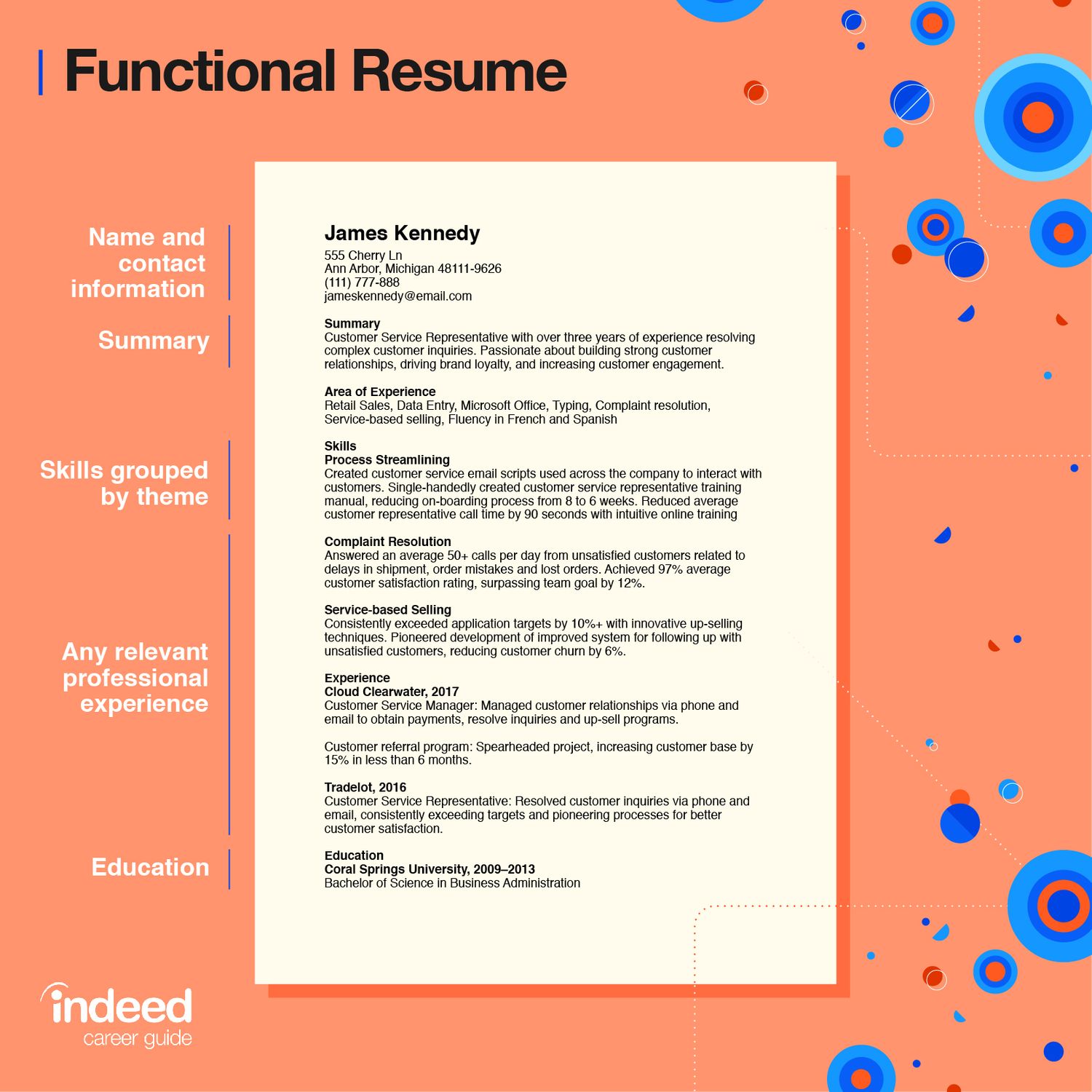
Arjun begins by organizing his resume around the information that best represents his current strengths.
His contact information appears clearly at the top. He then adds a short professional summary that explains his career direction and the abilities he brings as an entry-level candidate.
This section should be brief and specific. It does not need to contain dramatic claims. A simple description of your background, relevant skills, and professional goal can be more effective.
Education may be placed closer to the top when you are a recent student or graduate because it is one of your strongest qualifications.
Relevant coursework can be included if it helps demonstrate knowledge related to the job. However, you do not need to list every subject you studied.
Projects can form an important section for students and beginners. If you have completed meaningful work, give it enough space to explain what you did.
Volunteer experience, internships, student activities, certifications, and relevant skills can also be included depending on your background.
The order of these sections can change based on your strongest qualifications.
For example, a person applying for a technical role may place projects and technical skills near the top. Someone applying for a role where academic knowledge is especially important may focus more on education.
Clarity matters more than decoration.
A complicated resume design can sometimes make important information difficult to read. Choose a clean structure with clear section titles and enough space between different areas.
Check your spelling and grammar carefully. A small mistake may not always prevent you from getting a job, but careless errors can create a poor impression.
Arjun also learns that his resume does not need to be long. A beginner with one page of relevant, well-organized information can create a stronger impression than a longer document filled with unrelated details.
The goal is to make it easy for an employer to understand who you are, what you have learned, and what you may be able to contribute.
Keep Building Experience While You Search for Opportunities
A strong resume can help you apply for jobs, but your career development should continue while you search.
Arjun does not stop learning after creating his first resume. He looks for ways to strengthen it.
He begins developing a practical project related to his career interests. He also explores internship opportunities and looks for ways to gain additional experience.
This approach can help anyone who feels they lack experience.
You do not always need to wait for a company to hire you before developing useful skills. If you are interested in writing, create articles or other written work. If you are learning programming, build projects. If you want to work in design, create examples of your work.
If you are interested in business, analyze a real company or create a simple business project.
The experience does not need to be large. A well-completed small project can be more useful than a big idea that is never finished.
Learning should also be connected to your career direction. Instead of completing random courses, choose skills that appear useful for the type of work you want.
Each new project can provide another example for your resume.
Networking can also help you learn about opportunities. Talk with teachers, mentors, former classmates, colleagues, and professionals who work in fields that interest you.
The purpose is not simply to ask people for jobs. Conversations can help you understand what employers value and where you should focus your development.
Arjun gradually becomes more confident. His resume still does not contain ten years of work experience, but it now tells a clearer story.
It shows what he studied, what he has done, what skills he has developed, and where he wants his career to go.
This is what a strong beginner resume should do.
Having little or no work experience can make the job search more challenging, but it does not mean you have nothing to offer. Education, projects, volunteering, part-time responsibilities, personal learning, and other experiences can all help demonstrate your potential.
Start by identifying the experiences you already have. Look for the skills you developed through those experiences and connect them with the type of work you want.
Organize your resume around your strongest qualifications and keep the information honest and easy to understand.
Your first resume is not supposed to prove that you are already a senior professional. Its purpose is to show that you are prepared to begin.
Arjun’s story does not end when he sends his resume. Every project, new skill, and opportunity gives him more experience to add in the future. A resume can grow alongside a career.
The most important step is to begin building it with what you have today. You may have more useful experience than you realize, and with the right preparation, even a beginner can create a resume that gives employers a reason to look closer.