When people begin looking for a job, they often focus on one important question: what does an employer want? A student may have completed their education but have little work experience. A young professional may have several years of experience but feel that competition for better opportunities is increasing. Another person may be changing careers and wondering how to show that their previous experience still has value. In every situation, employability plays an important role.
Employability is more than having a degree, certificate, or long list of skills. It is your ability to gain employment, perform well, continue learning, and adapt as your career develops. Employers want people who can bring useful knowledge and skills, but they also want people who can communicate, solve problems, work with others, and respond to change.
Imagine a graduate named Maya who is applying for her first full-time job. She sends applications to several companies and waits for responses. Some employers do not reply. Others invite her for interviews, but she does not receive an offer. At first, Maya assumes that she simply needs to send more applications.
Then she looks more closely at the situation. Her education is relevant, but her resume does not clearly show what she can actually do. She has completed academic assignments, but she has no examples of practical work. During interviews, she talks about what she studied but struggles to explain how her skills could help an employer.
Maya’s situation is not unusual. Many people have useful abilities but do not present them effectively. Others have the right qualifications but lack practical evidence of their skills. Improving employability means working on both sides of this problem. You need to develop useful abilities, but you also need to demonstrate them clearly.
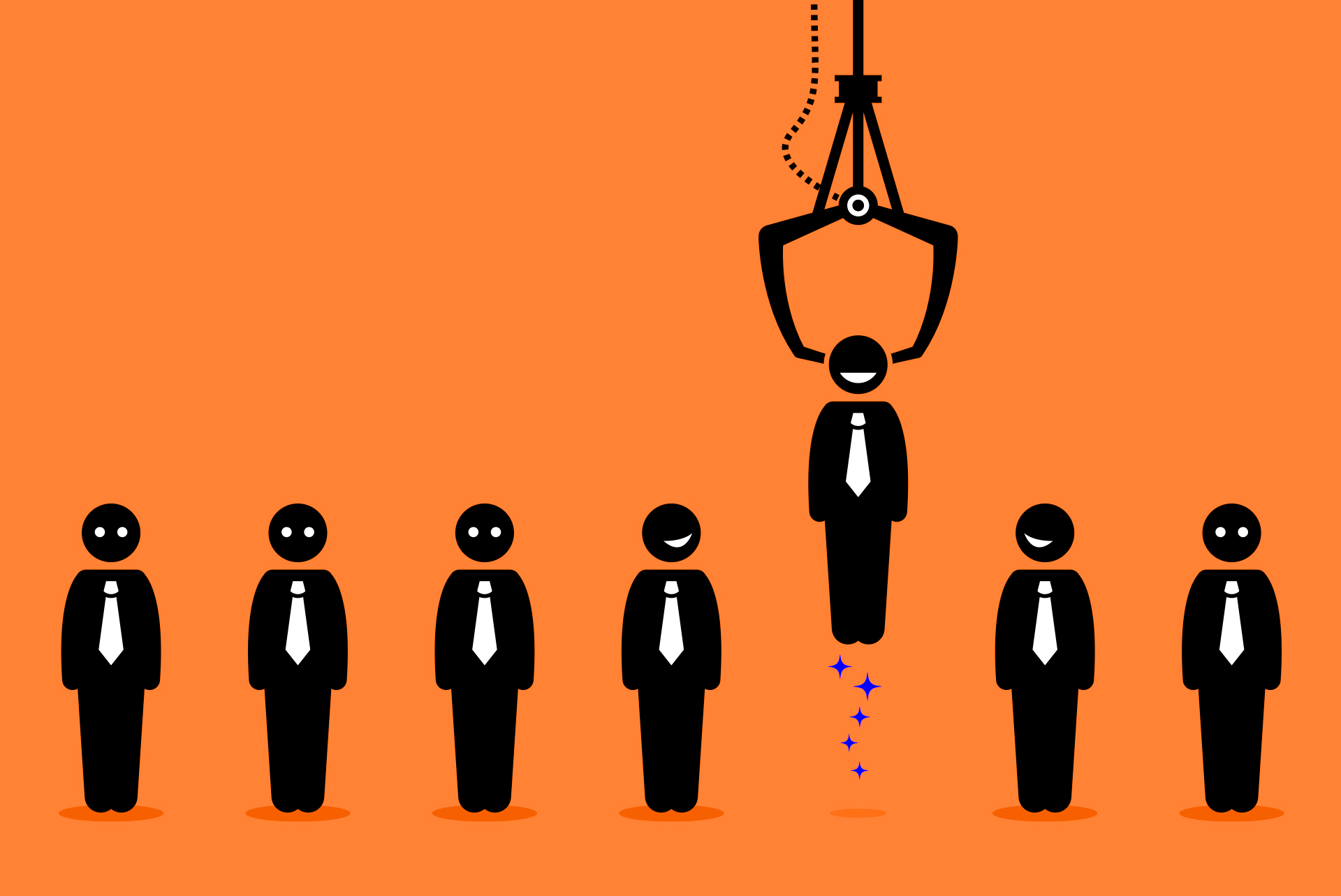
Standing out does not mean pretending to be perfect. Employers understand that students and early-career professionals are still learning. What can make a difference is showing that you are prepared, reliable, curious, and capable of contributing.
The strongest candidates are often not the people who claim to know everything. They are people who understand their abilities, can provide evidence of their work, and show a willingness to keep improving.
Build Skills That Match the Kind of Work You Want
The first step toward improving employability is to understand what skills are useful for the type of work you want. Instead of trying to learn everything, focus on building a strong combination of abilities that match your career direction.
Maya begins by looking at the kinds of jobs she wants. She reads several job descriptions and notices repeated requirements. Employers are looking for communication skills, digital confidence, analytical ability, teamwork, and knowledge related to her field.
She compares these requirements with her own experience. She already has some of the skills, but she also sees areas where she needs more practice.
This approach can help students and professionals in almost any field. Look for patterns across different job opportunities. One job description may contain unusual requirements, but repeated skills can show what employers commonly value.
Technical skills are important because they help you perform specific tasks. These may include programming, accounting, data analysis, design, writing, engineering, research, or industry-specific knowledge.
However, technical knowledge alone may not be enough. Employers also value skills that help people work effectively with others.
Communication is one of the most important. You may need to explain an idea to a colleague, write a clear email, give a presentation, or speak with a customer. Strong communication can make your technical abilities easier for others to understand and use.
Problem-solving is another valuable skill. Employers need people who can look beyond obvious answers, understand a situation, and think about possible solutions.
Teamwork is equally important because many jobs involve working with people who have different skills and perspectives. The ability to listen, cooperate, share responsibility, and manage disagreements can make you a stronger professional.
Digital skills also continue to become more useful. Even roles that are not considered highly technical may require employees to use online platforms, software, data, and digital communication tools.
The key is to build skills through practice. A person may say that they have strong communication skills, but a presentation, project, or example of professional writing can provide stronger evidence.
Gain Practical Experience and Create Evidence of Your Abilities
One of the biggest challenges for job seekers is proving that they can use their skills in real situations. Employers often want evidence that a person can apply what they have learned.
Practical experience can come from many places. An internship is useful, but it is not the only way to gain experience. Volunteer work, freelance projects, part-time jobs, student activities, and personal projects can also help.
Maya decides to stop waiting for an employer to give her experience. She creates a small project connected to the type of work she wants to do. She identifies a real problem, researches it, and develops a solution using the skills she learned during her studies.
The project gives her more than practice. It gives her something to show.
A portfolio can be especially useful in careers where work can be demonstrated. Designers can show designs, developers can show projects, writers can show articles, and marketing professionals can show campaigns or analysis.
However, portfolios are not limited to creative or technical careers. A business student might create a case study. An aspiring project manager could document how they planned and completed a project. A researcher might show how they analyzed a problem.
The important thing is to provide evidence.
When describing experience, focus on what you actually did and what you learned. A simple job title may not tell an employer much about your abilities. Explain your responsibilities and the skills you developed.
Practical experience can also help you understand your weaknesses. Maya discovers that she is confident when researching and analyzing information but needs more practice presenting her ideas. Instead of seeing this as a failure, she begins working on presentation skills.
Experience often provides the clearest picture of what you need to improve.
You should also learn to recognize transferable skills. Experience from one job may be useful in another field. Customer service can develop communication and problem-solving. Student projects can demonstrate teamwork. Managing an event can show organization and leadership.
Employers may not automatically connect your past experience to the job you want. It is your responsibility to explain the connection clearly.
Present Yourself Clearly and Prepare for Opportunities
Having useful skills is important, but employers must be able to understand what you can offer. A strong resume, professional application, and good interview preparation can make a significant difference.
Maya reviews her resume and realizes that it mainly lists subjects, qualifications, and responsibilities. It does not clearly explain her abilities or achievements.
She begins changing the way she describes her experience. Instead of simply saying that she completed a project, she explains the purpose of the project, the skills she used, and what she achieved.
This makes her experience easier to understand.
Your resume should be clear and relevant. A long list of unrelated information can make important details difficult to find. Focus on the education, skills, projects, and experience that connect most closely with the opportunity.
Job applications should also show that you understand the role. Sending the same generic application everywhere may save time, but it can make you appear less prepared. Whenever possible, adjust your application to highlight the most relevant parts of your background.
Interviews require a different type of preparation. Employers often want to know more than whether you can repeat information from your resume. They may want to understand how you solve problems, communicate, learn, and work with others.
Think about examples from your education, work, projects, or personal experiences that demonstrate important skills.
If an employer asks about teamwork, it is stronger to describe a real situation than simply say, “I work well in a team.” Explain what happened, what your role was, and what you learned.
Maya begins practicing this approach. She prepares examples of situations where she solved a problem, worked with other people, learned a new skill, and handled a difficult task.
This helps her speak more confidently because she is not trying to invent answers during the interview. She is explaining experiences she already understands.
Professional communication also matters throughout the application process. Being polite, clear, prepared, and reliable can create a positive impression.
Employers may receive applications from people with similar qualifications. The way you communicate and prepare can help you stand out.
Keep Growing Into the Professional Employers Want to Hire
Employability is not something you develop once and keep forever. Careers change, industries change, and employer expectations change. The ability to continue learning is therefore an important part of long-term employability.
Maya continues developing her skills even while applying for jobs. She does not wait for an employer to tell her what to learn. She follows developments in her field, practices useful tools, and works on small projects.
Over time, her confidence grows.
This does not mean you need to become an expert in everything. A focused approach is more useful. Choose skills that support your career direction and develop them gradually.
Curiosity can also help you stand out. Employers often value people who ask useful questions and show genuine interest in learning. A candidate who understands the basics but is willing to improve may be more attractive than someone who appears confident but unwilling to change.
Professional reliability is another important quality. Employers want people who can be trusted to complete work, communicate when problems occur, and take responsibility.
These qualities may not always appear as formal qualifications, but they can have a major influence on career growth.
Networking can also improve employability. Building professional relationships does not mean asking everyone for a job. It can begin with learning from people, sharing ideas, and staying connected with classmates, teachers, colleagues, and professionals.
A conversation can provide advice, introduce a new career path, or lead to an opportunity in the future.
Maya eventually receives an invitation to interview for a position that closely matches her interests. This time, she approaches the process differently. She understands the role, has examples of practical work, and can explain how her skills connect with the employer’s needs.
She still does not claim to know everything. Instead, she explains what she has learned, what she can do, and how she plans to continue developing.
That approach helps her stand out.
Improving employability is not about creating a perfect image. It is about becoming a stronger professional and making your abilities easier for others to recognize.
Start by understanding the skills required in your chosen career direction. Develop those skills through practice. Look for opportunities to gain real experience and create evidence of what you can do. Learn how to explain your abilities clearly, and continue developing after every new experience.
The job market may be competitive, but competition does not mean you need to become exactly like everyone else. Your education, skills, experiences, interests, and personal strengths create a combination that is unique to you.
The goal is to develop that combination with intention. When you continue learning, build practical experience, and communicate your value clearly, you give employers a stronger reason to notice you. Standing out begins with becoming prepared, and preparation can turn a possible opportunity into a real one.