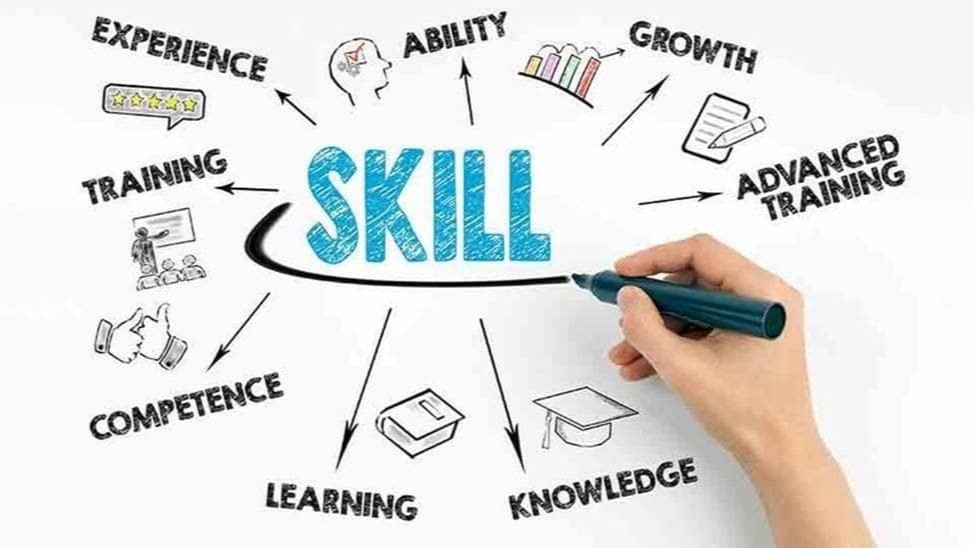
When people finish school, college, or professional training, they often feel that the hardest part of learning is over. After years of attending classes, preparing for examinations, and completing assignments, the idea of beginning a career can feel like the start of a different stage of life. There is an expectation that education will now turn into work, and work will continue based on the knowledge already gained. But the modern world does not always work that way. A person may enter a job with the right knowledge and skills, only to discover a few years later that new technology, new methods, or new expectations have changed the role.
Imagine a young professional named Ryan who begins his career with excitement. He has completed his education, gained an entry-level job, and learned how his company operates. During the first few years, he becomes comfortable with his responsibilities. He knows the software, understands the daily tasks, and feels confident about his work. Then the company begins introducing new digital systems. Some processes become automated, teams start using different tools, and employees are expected to understand new ways of working.
Ryan has two choices. He can continue working only with the knowledge he already has and hope that things return to the way they were. Or he can accept that his career is changing and begin learning again.
This choice is becoming increasingly important for people in almost every profession. Continuous learning does not mean returning to formal education every few years. It means remaining curious, developing new skills, improving existing abilities, and staying prepared for change. It can happen through courses, books, practical projects, workplace experience, mentors, online learning, or simple daily practice.
The purpose is not to learn everything. No one can keep up with every new development in every field. Continuous learning is about paying attention to the changes that affect your career and choosing useful areas for growth.
A person who keeps learning can often adapt more easily when new opportunities appear. Someone who stops learning completely may eventually discover that the world around them has moved forward while their skills have remained unchanged. This is why learning should not be viewed as something that ends with a qualification. It can become one of the most important habits of a successful career.
The Workplace Changes Faster Than Many People Expect
One of the main reasons continuous learning is essential is that the workplace is constantly changing. Technology is changing the way people communicate, organize information, create products, and complete everyday tasks. Entire industries are developing new methods because customer expectations and business needs continue to evolve.
Ryan notices these changes gradually. At first, a new software tool seems like a small adjustment. Then the company introduces a new way to manage projects. Later, automated systems begin handling some of the repetitive work that Ryan once performed manually.
He realizes that the knowledge he had when he first joined the company is still useful, but it is no longer enough by itself.
This does not mean that every worker needs to become a technology expert. The lesson is broader. Professionals need to understand how changes affect their own roles.
A teacher may need to learn new digital tools and teaching methods. A marketing professional may need to understand changing customer behavior. A healthcare worker may need to stay informed about new practices and technology. An engineer may need to understand new materials or software. A business owner may need to learn new ways to reach customers.
Even traditional careers continue to change.
The people who adapt successfully are not always those who predict every change in advance. They are often people who are willing to learn when change arrives.
Continuous learning can also reduce the fear associated with new technology. When people avoid learning something new, unfamiliar systems can appear threatening. But once they begin experimenting and understanding the basics, the new tool becomes easier to manage.
This is why it is helpful to develop a learning mindset. Instead of thinking, “I do not know how to do this,” try thinking, “I do not know how to do this yet.”
The difference may seem small, but it can change how you respond to challenges. The first statement can create a feeling of limitation. The second creates space for improvement.
A changing workplace should not always be viewed as a problem. Change can also create opportunities. New technology can create new roles. New industries can require new skills. A person who begins learning early may discover opportunities that others have not yet noticed.
Learning New Skills Can Create Better Career Opportunities
Continuous learning does more than help people protect their existing careers. It can also create new opportunities.
Ryan begins by learning the new systems introduced at his workplace. As he becomes more comfortable, he discovers that he enjoys understanding how technology can improve the way people work. He starts learning more about data and process improvement.
What began as an effort to keep up with change eventually becomes a new area of professional interest.
This is one of the most valuable benefits of learning. You may begin developing a skill for one reason and discover unexpected opportunities along the way.
A person who learns digital marketing may discover an interest in customer research. Someone who learns basic programming may become interested in data analysis. A writer who studies technology may move into technical communication. A business professional who learns about design may discover product management.
Skills can create connections between different career paths.
Continuous learning also makes career changes easier. Moving from one industry to another can feel difficult, especially for someone who has spent many years in a particular role. But transferable skills can make the process more manageable.
Communication, problem-solving, project management, data analysis, leadership, and digital confidence can be useful across different professions. The more abilities you develop, the more options you may have when you want or need to change direction.
Learning can also help people prepare for promotion. An employee who wants greater responsibility may need to develop leadership, decision-making, or management skills. Someone who wants to move into a specialized role may need deeper technical knowledge.
Waiting for a promotion before learning these skills may slow career growth. A better approach is to begin preparing before the opportunity appears.
This does not mean learning should become a competition. You do not need to collect certificates simply to prove that you have been busy. The goal should be practical improvement.
Ask yourself what you want to achieve next. Then identify the knowledge or skills that could help you move closer to that goal.
A focused learning plan is usually more useful than trying to follow every popular trend. Choose skills that connect with your career direction and develop them through practice.
Continuous Learning Builds Confidence and Professional Value
Learning something new can feel uncomfortable at first. Beginners often compare themselves with people who have years of experience. They may make mistakes, ask basic questions, and feel slow during the early stages.
Ryan experiences this when he begins using the new tools at work. Some younger colleagues appear to understand the systems immediately, and Ryan initially feels frustrated. But after practicing regularly, he becomes more comfortable.
A few months later, he notices something important. The skill that once made him feel uncertain has become part of his normal work.
This experience gives him confidence. He begins to understand that being a beginner is not a permanent condition. Everyone who is skilled today was once unfamiliar with the same subject.
Continuous learning helps build this kind of confidence. When you repeatedly learn new things, you develop trust in your own ability to adapt.
This confidence can become valuable during job interviews, career changes, and workplace challenges. You may not know every answer, but you can believe that you have the ability to learn what you need.
Employers also value people who are willing to improve. A professional who shows curiosity and initiative may be seen as someone who can adapt to future responsibilities.
However, continuous learning should not be performed only to impress an employer. The greatest value often belongs to the person learning. New knowledge can make work more interesting, improve your ability to solve problems, and create a stronger sense of professional independence.
Learning can also help prevent careers from becoming stagnant. Repeating the same tasks for many years can become frustrating if there is no opportunity for growth. Developing new abilities can create fresh challenges and restore a sense of progress.
Professional value is not based only on how many years you have worked. Experience becomes more powerful when it is combined with updated knowledge.
A person with ten years of experience and a willingness to learn may have a very different career profile from someone who has repeated the same approach for ten years without developing further.
Make Learning a Natural Part of Your Career Journey
Continuous learning does not need to feel like returning to a classroom every evening. It can become part of normal professional life.
Ryan starts by spending a small amount of time each week learning about developments connected to his work. He practices new skills through small projects instead of trying to master everything immediately.
This approach makes learning more manageable.
One of the best ways to begin is to identify a clear reason for learning something. Perhaps you want to perform better in your current role, prepare for a promotion, change careers, or explore a new interest.
Once you have a purpose, choose one skill or topic to focus on.
A student may have enough time to follow a structured course, while a working professional may need shorter and more flexible learning methods. Both can be effective if the learning is regular and connected to practical goals.
Practice is especially important. Reading about a subject can provide knowledge, but using that knowledge helps create skill.
If you are learning to write better, write regularly. If you are learning data analysis, work with real data. If you are studying programming, build small projects. If you are developing communication skills, look for opportunities to present ideas.
The learning process should also include reflection. Ask what you have learned, where you struggled, and what you need to improve next.
Not every skill needs to become part of your long-term career. Sometimes learning helps you discover what does not interest you. This is still useful information because it helps you make better decisions.
It is also important to balance learning with rest and other responsibilities. Continuous learning does not mean working constantly. Trying to study every available topic can lead to exhaustion. A sustainable approach is better than an extreme one.
Ryan gradually becomes known as someone who is willing to learn and adapt. When the company begins a new project, he is more willing to explore unfamiliar tools. He is not the person who knows everything, but he has developed the confidence to keep moving forward.
This is the real value of continuous learning. The goal is not to reach a point where you have learned everything. Such a point does not exist. The goal is to develop the ability to continue growing.
Education can provide a starting point, but a career is much longer than a course or qualification. Over time, you will face new tools, new responsibilities, unexpected problems, and opportunities that did not exist when you began.
The person who continues learning can approach these moments with greater confidence.
Continuous learning helps protect your career, but its value goes beyond job security. It can open new paths, strengthen your confidence, improve your professional abilities, and make work more interesting.
Ryan’s career did not improve because he discovered one perfect skill. It improved because he stopped seeing learning as something that belonged only to his student years. Each new skill made the next step easier.
Career growth is rarely based only on what you already know. It is also shaped by your willingness to learn what you do not know yet. The world of work will continue to change, but people who remain curious, adaptable, and committed to growth can continue finding their place within it.