Choosing a career can feel more difficult than it did in the past because students and young professionals now see an enormous number of possibilities. New technology has created careers that did not exist a few years ago, while traditional professions continue to offer valuable opportunities. A student may hear about software development, artificial intelligence, digital marketing, healthcare, renewable energy, entrepreneurship, finance, and many other fields. A young professional may already be working but wonder whether a different career could offer better growth. With so many choices, the challenge is not simply finding opportunities. It is understanding which opportunities are worth exploring.
Imagine a student named Sam who is preparing to graduate. When Sam was younger, the idea of a successful career seemed simple. Choose a subject, earn a qualification, find a stable job, and continue in the same profession. But as graduation gets closer, Sam notices that the real world is more complicated. Some people are working in careers that are completely different from what they studied. Others are building businesses, working remotely, changing industries, or developing skills in new areas.
Sam begins looking at job opportunities and feels confused. Every career seems to require different skills and experience. Some opportunities appear to offer high salaries but demand long working hours. Others seem interesting but have an uncertain path. Some careers require years of education, while others place greater importance on practical skills and experience.
This experience is common. The best career opportunity is not necessarily the one with the highest salary or the most popular job title. A good opportunity depends on several factors, including your skills, interests, long-term goals, and the type of life you want to build.
Students and young professionals also do not need to limit themselves to one narrow definition of career success. Some may want stable employment in an established profession. Others may want to work in fast-growing industries. Some may eventually prefer entrepreneurship, freelancing, or project-based work. The important thing is to understand the possibilities before making a decision.
Technology and Digital Careers Continue to Create New Opportunities
Technology remains one of the most important areas for career growth because digital systems are now part of almost every industry. Students do not necessarily need to become expert programmers to build a career connected to technology. Modern organizations need people with many different types of technical and digital skills.
Software development remains a strong option for people who enjoy problem-solving and creating digital products. Developers may work on websites, applications, business software, mobile platforms, games, and many other systems. The work requires technical knowledge, but it also benefits from creativity and the ability to understand what users need.
Data-related careers are another important area. Businesses collect large amounts of information, but they need skilled people to organize, analyze, and understand it. Opportunities can include data analysis, data engineering, business intelligence, and other roles that help organizations make better decisions.
Artificial intelligence has also created new opportunities. Some professionals work directly on developing AI systems, while many others use AI tools as part of their existing careers. Students who understand how AI works and can use these tools responsibly may have an advantage in many industries.
Cybersecurity is another important field because organizations need to protect their systems, information, and customers. Opportunities exist in technical security, risk management, security operations, and related areas.
Technology also creates careers for people with creative or communication skills. User experience design focuses on making digital products easier and more enjoyable to use. Product management brings together technology, business, and user needs. Technical writing helps people understand complex products and systems.
Sam discovers that technology is much broader than expected. At first, Sam believed that a technology career meant becoming a programmer. After exploring different roles, Sam realizes that someone interested in design, communication, business, or data can also find opportunities in the technology industry.
The most important lesson is that technology careers require continuous learning. Tools and platforms change, but strong problem-solving skills and a willingness to learn can help people adapt.
Healthcare, Education, and Essential Services Offer Meaningful Paths
Technology may receive a great deal of attention, but many traditional and essential sectors continue to provide important career opportunities. Healthcare, education, public services, social support, and related industries need skilled professionals in many different roles.
Healthcare includes much more than doctors and nurses. Depending on education and local requirements, career opportunities may include laboratory work, medical technology, therapy, healthcare administration, research, health communication, and many other areas.
Students interested in science and helping others may find a wide range of possibilities. However, healthcare careers can require significant education and training, so it is important to understand the requirements before choosing a path.
Education is another field that continues to evolve. Teachers remain important, but opportunities also exist in educational technology, curriculum development, online learning, training, student support, and professional education.
A person who enjoys explaining ideas does not have to follow only one career path. They may teach children, train adults, create educational content, design learning materials, or work with organizations that develop learning programs.
Essential services also provide career opportunities in areas such as logistics, construction, engineering, transportation, energy, and infrastructure. These industries may be less visible in discussions about fashionable careers, but they remain important to how societies function.
Environmental and sustainability-related work is also creating opportunities in different industries. Organizations are increasingly looking for ways to use resources more efficiently, improve energy systems, reduce waste, and respond to environmental challenges.
Young professionals should therefore look beyond the most popular career trends. A career can offer strong growth and long-term opportunities even if it is not constantly discussed on social media.
The best approach is to explore industries that genuinely interest you and understand how your skills could be used within them.
Business, Finance, and Creative Careers Offer Different Routes to Growth
Business-related careers remain important because almost every organization needs people who understand customers, operations, money, and growth. Students with strong communication, analytical, organizational, or leadership abilities can explore many different directions.
Marketing is one example. Modern marketing includes content, digital advertising, search visibility, brand development, social media, market research, and customer analysis. The field can be suitable for people who enjoy communication and creativity but also benefits from analytical skills.
Sales can provide another career path for people who enjoy communication and relationship building. Successful sales professionals often need to understand customer needs, solve problems, negotiate, and build trust.
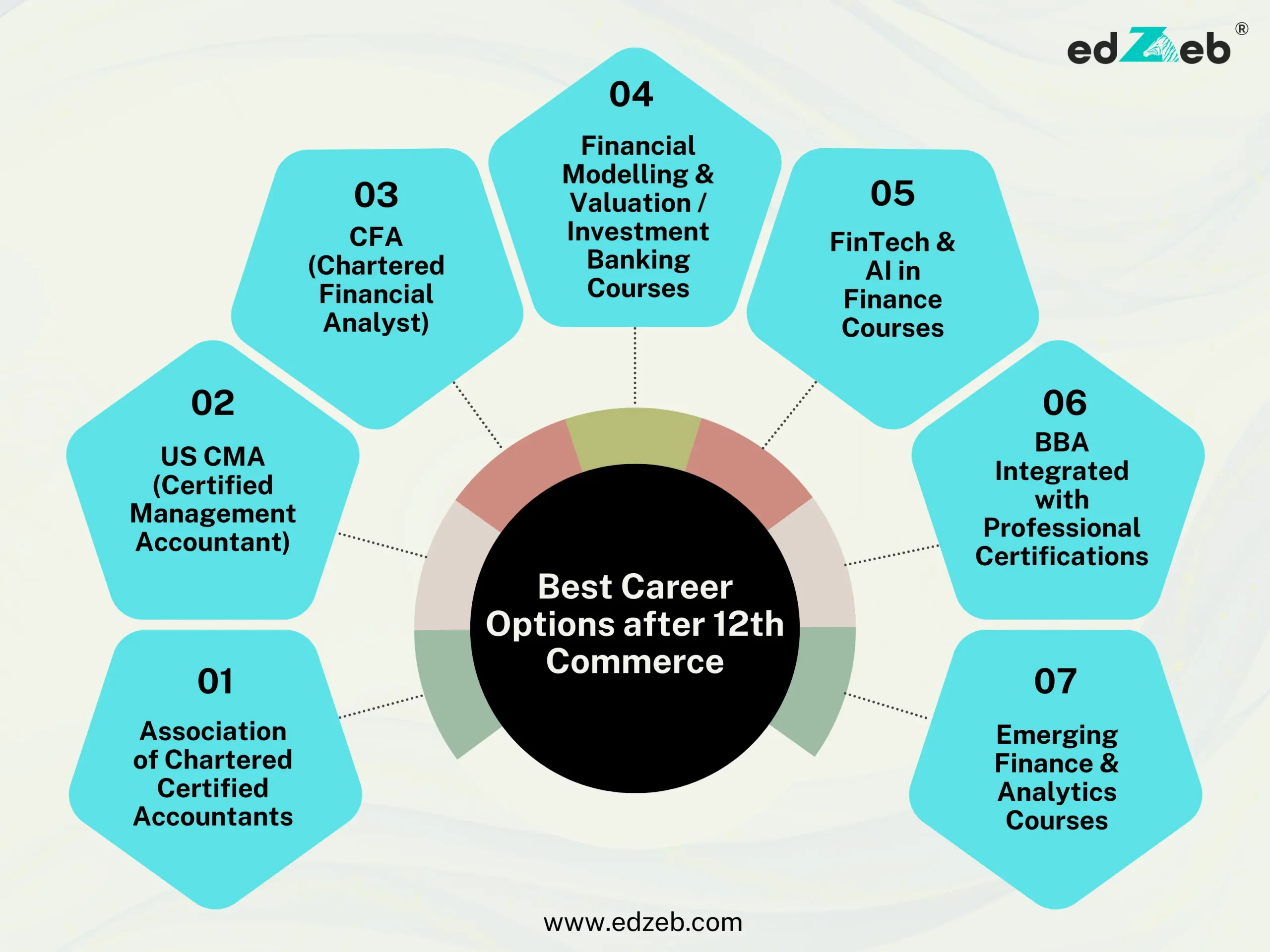
Finance offers opportunities for people interested in numbers, analysis, and business decision-making. Careers can include accounting, financial analysis, banking, investment-related roles, financial planning, and other areas.
Operations and business management can also be valuable career paths. These roles often involve improving processes, managing resources, coordinating teams, and helping organizations operate more effectively.
Creative careers have also changed because digital platforms have created new ways for people to create and share work. Opportunities can include graphic design, video production, animation, photography, writing, content creation, advertising, and digital product design.
However, young professionals should understand that creative careers also require business awareness. Being talented may not be enough. Professionals often need to understand clients, audiences, deadlines, technology, and the practical side of running a career.
Sam becomes interested in this idea because Sam enjoys writing but also wants to work in business. Instead of believing that writing and business are separate paths, Sam begins exploring content marketing, business communication, digital publishing, and related roles.
This is another important lesson about career opportunities. Your interests do not always need to fit inside one traditional job title. Combining different abilities can create unique possibilities.
Build Your Own Career Path Through Skills and Experience
The strongest career opportunities are often created through a combination of education, skills, experience, and personal initiative. Students and young professionals should not wait for someone else to design their entire career path.
A useful first step is to identify a few areas that genuinely interest you. Then examine what skills are needed and begin developing them. You do not need to learn everything at once. Focus on building a strong foundation and then add new abilities gradually.
Practical experience is equally important. Internships, part-time work, volunteering, freelance projects, and personal projects can help you understand how a field works. These experiences can also give you examples of your abilities when applying for future opportunities.
A student interested in web development can build projects. Someone interested in design can create a portfolio. A person interested in marketing can work on a small campaign or analyze a brand. Someone interested in teaching can gain experience by helping others learn.
Professional relationships can also create opportunities. Talking to teachers, mentors, former students, colleagues, and people working in different industries can provide useful information. A conversation may introduce you to a career you had never considered.
Students and young professionals should also understand that the first job does not need to be the final destination. An entry-level position can provide experience, skills, and a clearer understanding of your interests. Many successful careers develop through gradual movement rather than one perfect decision.
Sam eventually realizes that the search for a perfect career was creating unnecessary pressure. Instead of trying to predict the next twenty years, Sam chooses to focus on building useful skills and gaining practical experience in areas that feel interesting.
That decision changes the way Sam sees career opportunities. The future no longer appears to be one narrow path. It becomes a collection of possible directions.
The world of work will continue to change, and new opportunities will continue to appear. Students and young professionals who remain curious and willing to learn can place themselves in a stronger position to adapt.
A good career opportunity is not simply a job that is available today. It is a path where you can develop useful skills, gain meaningful experience, and continue growing. Start by understanding yourself, explore different industries, learn what employers need, and test your interests through practical experience.
You do not need to choose from every career in the world. You only need to find the opportunities that connect with your abilities and give you a reason to keep learning. As your skills grow and your experience increases, the career choices available to you can grow as well. The first step may be small, but it can lead to opportunities that are difficult to imagine today.